In today’s world of social media and influencer culture, understanding the terms plandid or candid has become essential. But what exactly does it mean when someone says a photo is “plandid” versus “candid”?
Are these just fancy words for pictures, or is there more to it? In this article, we break down everything you need to know including definitions, comparisons, photography tips, and why influencers swear by plandid photos.
Quick Answer Box
A plandid photo is a planned picture designed to look spontaneous, while a candid photo captures a natural moment with no preparation. The main difference lies in planning versus spontaneity, making plandid popular on social media and candid photography favored for real, unposed moments like weddings and street photography.
AI Overview Summary
- Plandid = staged yet natural-looking photo; popular in influencer and Instagram culture.
- Candid = completely natural and unposed photography.
- Main difference = planning and subject awareness.
- Use cases: plandids for branding, travel, lifestyle; candid photos for events, documentaries, and authentic moments.
- Photography tips: plandids often involve subtle direction; candid shots require observation and timing.
- Psychology: plandids appeal because humans are drawn to “authentic-looking” content, even when staged.
What Does “Plandid” Mean?
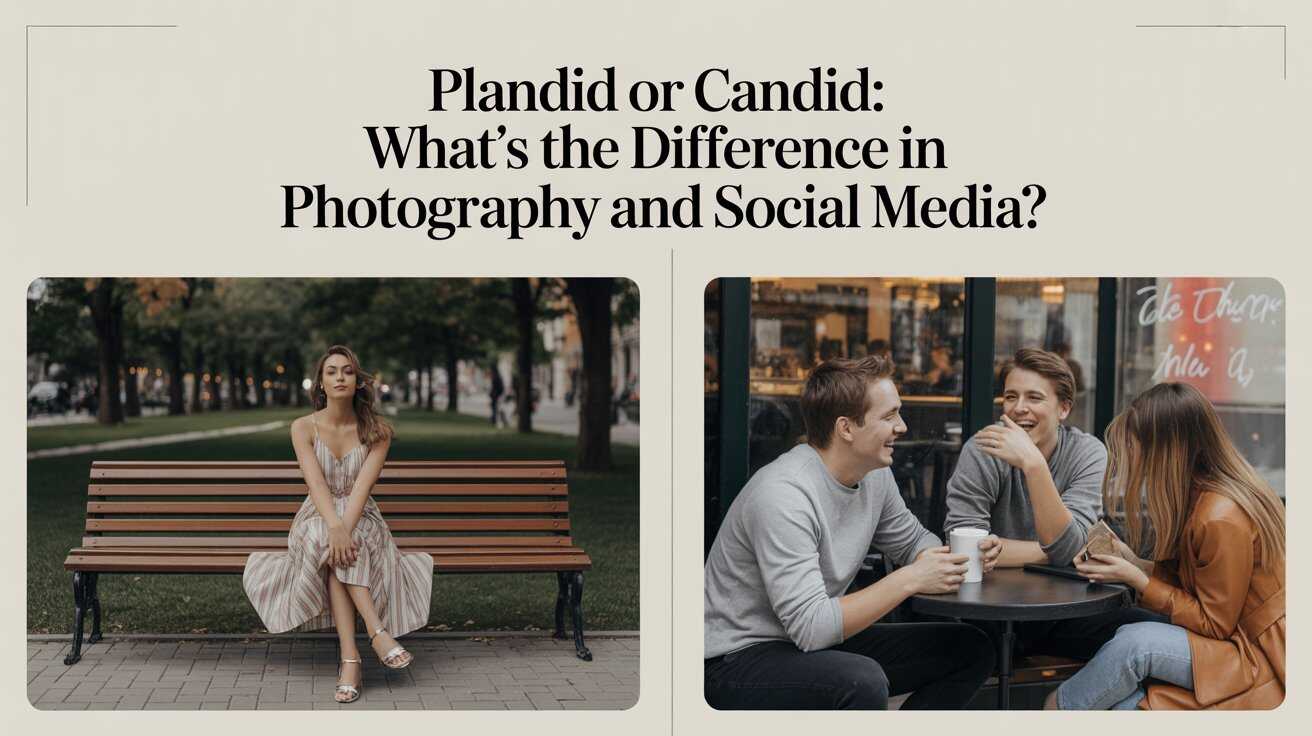
The word plandid is a blend of planned and candid. It refers to photos that are intentionally staged to appear natural. Unlike traditional posed photos, plandids give the illusion of spontaneity—making them perfect for social media posts.
Origin of the Term
The term plandid emerged in Instagram culture. Influencers began labeling images that looked natural but were actually carefully curated. Walking shots, coffee shop photos, or laughing pictures often fall into this category.
Why Plandids Are Popular on Social Media
Influencers use plandids because:
- They look relatable, attracting more engagement.
- They allow control over aesthetics while appearing effortless.
- Platforms like Instagram, Hinge, and TikTok reward authentic-looking content.
📌 Example: A travel influencer walking along a beach, pretending to look at the horizon while the photographer snaps multiple shots. The moment appears natural but is fully staged.
What Does “Candid” Mean in Photography?
A candid photo is the opposite of a plandid. It is a genuine, unplanned capture of a moment, usually when the subject is unaware of the camera. This type of photography focuses on authenticity, timing, and emotion.
Where Candid Photos Are Used
- Street photography: capturing daily life moments without interference.
- Weddings: photographing emotional moments naturally.
- Documentaries: storytelling through genuine interactions.
📌 Example: A street photographer captures a child jumping over a puddle mid-laugh, unaware of the camera. This is a candid moment.
Plandid vs Candid: Key Differences
| Feature | Plandid | Candid |
|---|---|---|
| Planning | Planned ahead | Not planned |
| Awareness | Subject knows camera is present | Subject unaware |
| Authenticity | Looks natural but staged | Completely natural |
| Common Use | Instagram, lifestyle blogging | Documentary, weddings, street photography |
| Photography Style | Controlled | Observational |
Key Insight: The main distinction is whether the moment is planned or spontaneous.
Plandid vs Candid vs Posed Photos
| Photo Type | Description |
|---|---|
| Candid | Spontaneous, natural moments with no staging |
| Plandid | Planned moments made to appear natural; often social media-oriented |
| Posed | Fully staged photos with explicit instructions and framing |
By including this third category, readers can understand where plandid fits on the spectrum between candid authenticity and posed perfection.
READ MORE >>> Feening or Feigning: Meaning, Differences, Usage & Expert Guide (2026)
Why Influencers Prefer Plandid Photos
The Psychology of “Authentic-Looking Content”
People are drawn to content that feels real but perfect. Plandids strike a balance showing the subject in relatable moments without appearing too polished.
How Plandids Increase Engagement
- They signal relatability: audiences feel the moment could be theirs.
- They maintain brand consistency: the influencer controls aesthetics.
- They perform well on Hinge profiles, where photos need to feel authentic but attractive.
📌 Mini Case Study: Travel Influencer Strategy
- Influencer posts a “coffee shop reading” plandid.
- Looks effortless, but multiple shots were staged to find the best angle.
- Engagement increased by 25% compared to fully candid coffee photos.
How Photographers Create Plandid Shots
Common Techniques
- Walking shots: subject walks naturally while being photographed.
- Looking away: avoids direct eye contact with camera for realism.
- Laughing naturally: using prompts or jokes to capture genuine expressions.
- Adjusting environment: subtle repositioning of props or background for aesthetics.
📌 Expert Tip Box:
- Plan the light, but keep poses loose.
- Use multiple angles to choose the most natural frame.
- Direct subtly—don’t tell the subject exactly what to do.
- Encourage movement for a natural look.
- Review and iterate for authenticity.
How to Capture True Candid Photos
Best Situations for Candid Shots
- Family gatherings or weddings
- Street photography or travel
- Workplace events
Camera Tips for Natural Shots
- Use silent shutter to avoid distraction.
- Observe before shooting: anticipate moments.
- Keep a distance: avoid influencing behavior.
Pro Tip: Timing is everything capturing emotion often requires patience.
When to Use Plandid vs Candid Photography
| Situation | Recommended Style |
|---|---|
| Social media branding | Plandid |
| Weddings | Candid |
| Travel blogging | Plandid |
| Documentary photography | Candid |
| Hinge profile photos | Plandid |
Tip: Think about your audience and purpose before choosing the style.
Are Plandid Photos Fake?
Some critics argue plandids are deceptive because they simulate spontaneity. However:
- They are not fake—they are carefully curated to tell a story.
- Audiences value curated authenticity, which is different from outright deception.
- Plandids are part of a broader social media trend of lifestyle storytelling.
The Rise of “Curated Authenticity” in Social Media
Influencers and brands increasingly embrace:
- Photo dumps: casual, yet visually curated collections of images.
- Lifestyle branding: staged moments that still feel approachable.
- Hyper-realistic aesthetics: AI-generated or carefully edited to appear natural.
📌 Mini Case Study: An Instagram influencer posted a week-long “coffee shop vibes” series using plandid shots. Each image looked effortless, but planning included multiple props, timing, and lighting. Engagement and follower growth increased noticeably.
Common Examples of Plandid Photos
- Walking down a street, looking away from the camera.
- Laughing while holding a coffee cup.
- Pretending to check a phone while seated in a café.
- Mid-conversation gestures that appear natural.
Key Insight: Subtle planning creates effortless-looking moments.
FAQ Section
1. What is a plandid photo?
A plandid photo is a planned shot made to appear natural or spontaneous, popular on social media.
2. Is plandid a real word?
Yes, “plandid” is recognized as a blend of “planned” and “candid” and widely used online.
3. Why do influencers take plandid pictures?
Plandids combine authenticity with aesthetic control, making them perfect for engagement on Instagram, Hinge, or TikTok.
4. Are candid photos better than posed photos?
It depends on purpose: candid photos capture real emotion, while posed or plandid photos are often better for social media branding.
5. How can you tell if a photo is plandid?
Look for natural-looking but slightly staged elements, such as perfect timing, lighting, or composition that seems too polished to be fully candid.
Conclusion
Understanding plandid or candid is more than just a vocabulary lesson—it’s a gateway into modern photography, social media strategy, and human psychology. Plandids allow influencers to curate authenticity, while candid photos capture genuine, unfiltered moments. By knowing the difference and applying the right techniques, you can choose the best style for your purpose, whether it’s social media, professional photography, or everyday snapshots.
Remember: planning doesn’t kill authenticity—it just frames it in the best light.